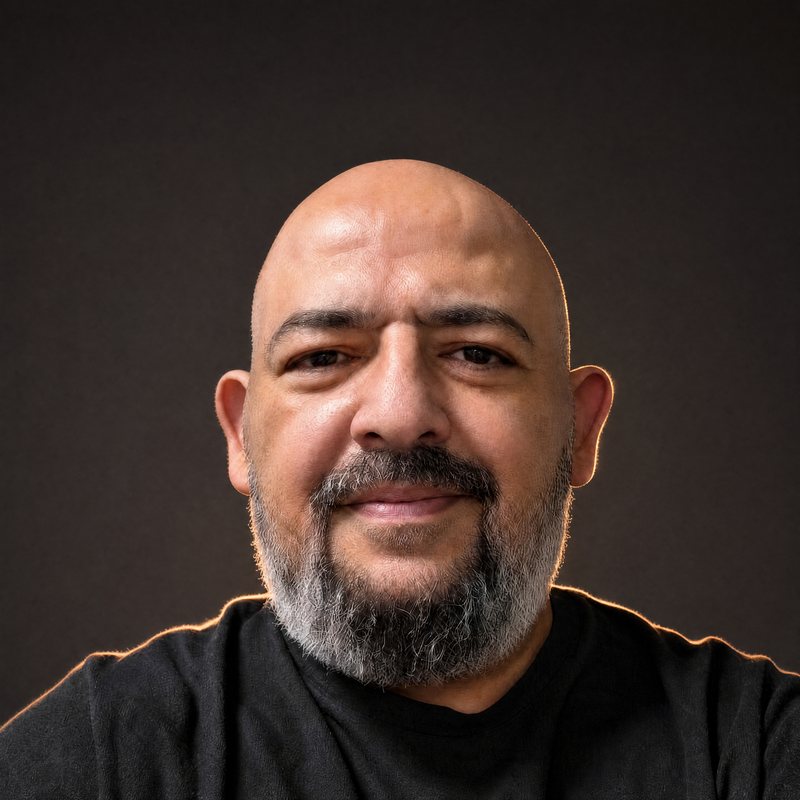
Thinking Machines co-founder joins OpenAI
Archive item — written before sources were shown.
Lilian Weng left Thinking Machines citing health effects from startup-level stress, then rejoined OpenAI to lead a team on recursive self-improvement research.
Lilian Weng, a co-founder of Thinking Machines, announced on July 27 that she was stepping down, citing health effects from sustained startup-level stress. “I don’t feel I’m able to continue at the pace a startup requires,” she wrote in an internal Slack message she also posted to X, adding that months of consistent stress and workload had “pushed me beyond what my health can sustain physically.” Fellow Thinking Machines co-founder and former OpenAI CTO Mira Murati replied publicly, thanking Weng and saying she was glad she was putting her health first.
Two days later, OpenAI told TechCrunch that Weng, who previously served there as VP of AI Safety Research, is rejoining the company to lead a top-level team focused on accelerating OpenAI’s internal research, including cross-research work on recursive self-improvement, the process by which an AI system iterates on itself to become more capable. The return follows more than 1,200 AI staff, including people at OpenAI, signing a letter this week asking the US government to help pace frontier AI development, and comes as competition for senior research talent between labs continues to intensify.
What it means for operators
The juxtaposition is hard to miss: a co-founder leaves a fast-moving startup over health-driven burnout, then takes on one of the most closely watched research areas, self-improving AI, at a larger lab days after that lab’s own staff joined a call to slow such work down. Whatever the internal reasoning, it is a concrete data point that recursive self-improvement research is accelerating even as the industry debates whether it should.
- 01Thinking Machines co-founder Lilian Weng left the company citing health reasons, then joined OpenAItechcrunch.com · primary reporting